 English
 Español
  русский
  Français
  日本語
日本語  Deutsch
  tiếng Việt
  Italiano
  Nederlands
  简体中文
简体中文  ภาษาไทย
  Polski
  한국어
한국어  Svenska
  magyar
  Malay
Malay  Pilipino
  Türkçe
  العربية
  Indonesia

How Can Sauce Containers Improve Food Service Efficiency?
Summary: Sauce containers are essential tools in modern food service and packaging, providing convenience, hygiene, and efficiency. This article explores their types, benefits, materials, and practical applications, helping businesses choose the right solution for sauces, dressings, and condiments.
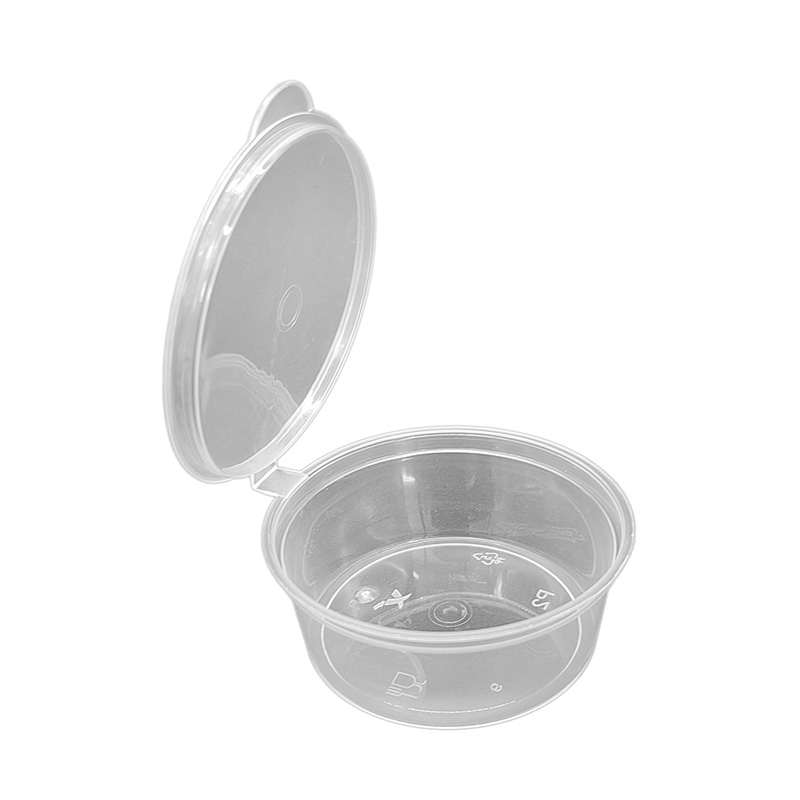
Table of Contents
- Overview of Sauce Containers
- Types of Sauce Containers
- Materials and Safety
- Key Benefits
- How to Select the Right Container
- FAQs
- Contact Us
Overview of Sauce Containers
Sauce containers, commonly used in restaurants, catering, and fast-food services, provide a practical way to store and serve sauces, dips, and dressings. These containers are designed to maintain freshness, prevent spillage, and offer portion control for both commercial and household use.
Types of Sauce Containers
Choosing the right type of sauce container depends on the intended use and desired convenience. The main types include:
- Round Disposable Cups: Ideal for individual servings, easy to stack, and convenient for takeaway orders.
- Square Hinged Containers: Designed for secure closure, preventing leaks during transportation.
- Portion Control Cups: Transparent cups for precise measurement of sauces, suitable for kitchens and catering businesses.
| Container Type | Capacity | Use Case | Key Feature |
|---|---|---|---|
| Round Disposable Cup | 15-60 ml | Takeaway, individual servings | Easy stacking, disposable |
| Square Hinged Container | 30-100 ml | Delivery, catering | Leak-proof lid, reusable option |
| Portion Control Cup | 10-50 ml | Kitchen prep, portioning sauces | Transparent, smooth interior |
Materials and Safety
Most modern sauce containers are made from food-safe polypropylene (PP) plastic which is BPA-free, recyclable, and durable. Other materials like PET are also used for their clarity and resistance to cracking. Key safety and material considerations include:
- Food-grade certification ensuring non-toxicity
- Transparent surfaces for easy identification
- Sturdy construction to resist leaks and deformation
- Environmental considerations including recyclability
Key Benefits of Using Sauce Containers
Implementing sauce containers in food service operations offers multiple advantages:
- Hygiene and Safety: Containers reduce contamination risks and ensure safe handling.
- Convenience: Disposable options eliminate the need for washing, saving labor and time.
- Portion Control: Pre-measured cups help standardize servings and reduce waste.
- Leak Prevention: Airtight lids prevent spills during storage or transport.
- Branding Opportunities: Custom IML printed containers allow businesses to showcase their brand effectively.
How to Select the Right Sauce Container
When choosing a sauce container, consider the following factors:
- Capacity: Match container size to typical serving portions.
- Lid Type: Hinged lids for secure closure or snap-on lids for convenience.
- Material: Food-safe, recyclable plastics like PP for durability and safety.
- Application: Disposable containers for events, reusable options for catering and restaurants.
- Custom Printing: Enhance customer experience and brand visibility through IML or logo printing.
FAQs
Q1: Are these sauce containers safe for hot sauces?
A1: Yes, high-quality PP plastic containers can handle hot sauces without deformation while maintaining food safety standards.
Q2: Can these containers be recycled?
A2: Most sauce containers made from PP or PET are fully recyclable, contributing to eco-friendly operations.
Q3: Do hinged lids prevent leakage effectively?
A3: Hinged lids are designed to snap securely, providing an airtight seal that significantly reduces the risk of spills.
Contact Us
Quanzhou Manatee Packaging Technology Co., Ltd. offers a wide range of high-quality sauce containers suitable for restaurants, catering services, and food delivery businesses. Explore our full product range and request free samples to enhance your operations. Contact us today to learn more and place your order.
Send Inquiry



X
We use cookies to offer you a better browsing experience, analyze site traffic and personalize content. By using this site, you agree to our use of cookies.
Privacy Policy