 English
 Español
  русский
  Français
  日本語
日本語  Deutsch
  tiếng Việt
  Italiano
  Nederlands
  简体中文
简体中文  ภาษาไทย
  Polski
  한국어
한국어  Svenska
  magyar
  Malay
Malay  Pilipino
  Türkçe
  العربية
  Indonesia

Molded PP Plastic Disposable Beverage Cup
Molded PP Plastic Disposable Beverage Cup: Lightweight Strength for Everyday Service
Whether you are running a bustling coffee shop, organizing a large outdoor event, or simply stocking up for a busy office pantry, the vessel you choose speaks volumes about your attention to detail. Molded PP plastic disposable beverage cups have quietly become the backbone of modern drink service. They balance cost-effectiveness with remarkable durability, all while delivering a clean, professional look that suits both cold brews and vibrant smoothies. Understanding the engineering behind these cups helps buyers make informed decisions, and that starts with a clear look at the numbers that define them.
Core Product Specifications
These cups are injection-molded from virgin polypropylene resin, a material prized for its excellent clarity, high impact strength, and superior resistance to fatigue from flexing. Unlike thermoformed alternatives, the molding process yields a rigid rim and consistent sidewall thickness that prevents collapsing during use. Below is a detailed breakdown of the primary specifications available across standard product lines.
- Material: 100% food-grade virgin polypropylene (PP), BPA-free, compliant with FDA and EU 10/2011 regulations.
- Manufacturing Process: High-speed injection molding ensuring uniform wall distribution and smooth interior surface.
- Common Sizes: 9 oz (266 ml), 12 oz (355 ml), 14 oz (414 ml), 16 oz (473 ml), 20 oz (591 ml), and 24 oz (710 ml).
- Rim Design: Rolled rim for secure lid seating and comfortable sipping; diameter tolerance ±0.3 mm.
- Sidewall Thickness: Base: 0.45–0.55 mm; Mid-wall: 0.35–0.40 mm; Top rim area: 0.65–0.75 mm.
- Clarity Options: Natural transparent, translucent frosted, or solid opaque white/bright colors with masterbatch coloring.
- Temperature Resistance: Service range from -20°F (-29°C) to 230°F (110°C); microwave-safe for reheating.
- Shelf Life: 3 years from date of manufacture when stored in a dry, cool environment away from direct sunlight.
- Packaging: Typically poly-bagged sleeves of 20 or 25 cups, packed in corrugated cartons; standard carton quantities range from 500 to 1,000 cups depending on size.
Dimensional and Capacity Reference Table
| Size (oz) | Top Diameter (mm) | Bottom Diameter (mm) | Height (mm) | Brim Full Capacity (ml) | Weight per Cup (g) |
|---|---|---|---|---|---|
| 9 oz | 77 | 49 | 90 | 275 | 4.5 |
| 12 oz | 80 | 50 | 110 | 370 | 5.8 |
| 14 oz | 86 | 52 | 115 | 425 | 6.5 |
| 16 oz | 88 | 54 | 127 | 490 | 7.2 |
| 20 oz | 93 | 58 | 145 | 605 | 8.8 |
| 24 oz | 96 | 61 | 165 | 725 | 10.5 |
* All dimensions are nominal values with standard tolerance. Compatible flat or dome lids follow the same diameter class.
Why Molded PP Wins Over Alternative Materials
Polymer science plays a huge role in cup performance. Polypropylene gives you a crystalline structure that resists cracking even when squeezed repeatedly, something PET or PS cups struggle with. The natural hinge-like flexibility prevents stress whitening, so the cup retains its clean look even when gripped firmly. At the same time, the material’s low density means you ship more cups per carton at a lower freight cost compared to PET. For operators counting every penny, this logistics advantage is hard to ignore.
Another subtle benefit lies in odor and stain resistance. PP does not absorb pigments from fruit juices or carry residual smells after washing. While these are designed as single-use items, many end-users rinse and reuse them multiple times, and the material holds up without developing micro-cracks that harbor bacteria. This extends functional life in casual settings and reduces replacement frequency.
Real-World Usage and Practical Fit
Molded PP cups thrive in high-volume cold drink environments. Think iced lattes, bubble tea with wide straws, layered frappés, and freshly pressed juices. The 20 oz and 24 oz sizes are particularly popular for specialty drinks loaded with toppings. Because the cup walls are inherently robust, you can even use them for semi-frozen beverages directly from a blender without immediate warping — though extreme thermal shock should still be avoided.
Customization also sets these cups apart. The smooth exterior surface readily accepts in-mold labeling, silkscreen printing, or adhesive branding stickers. Many quick-service brands opt for opaque colors to reinforce their visual identity, while deli and convenience stores often stick to clear versions so the product inside becomes the hero. The geometry is also optimized for nesting: cups stack tightly without jamming, making them easy to pull from dispenser tubes at busy service counters.
Environmental and Regulatory Considerations
While disposable, polypropylene carries resin identification code 5 and is widely accepted in municipal recycling streams where infrastructure exists. Industrially compostable variants are also available upon request using bio-based PP blends, though mechanical properties vary. All standard offerings meet the necessary migration limits for food contact substances and are regularly tested for heavy metals and overall migration. Buyers can request copies of Declaration of Compliance certificates directly from the manufacturer to support their own due diligence.
The combination of technical precision, day-in day-out reliability, and design flexibility keeps molded PP cups at the top of the shortlist for beverage operators. Understanding each parameter — from the gram weight that determines sturdiness to the millimeter-level rim fit that prevents leaks — transforms a simple cup order into a strategic supply decision.
Related Products
Hot Products

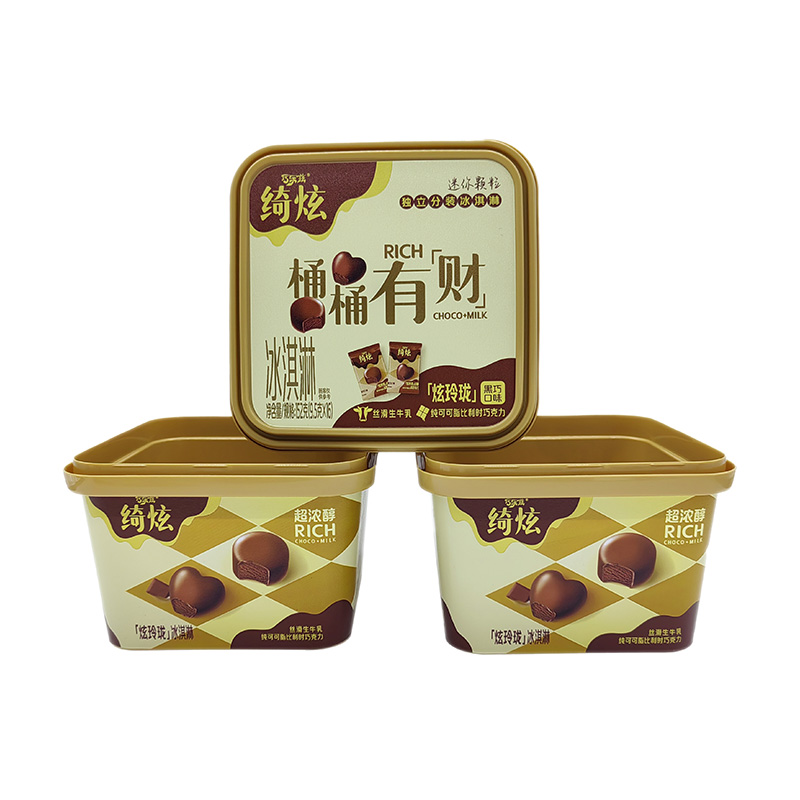
PP Plastic Ice Cream Bucket
Manatee PP Plastic Ice Cream Bucket: Professional Food Packaging Solutions Manatee is a leading specialist in the In-Mold Labeling (IML) industry, providing high-quality PP Plastic Ice Cream Buckets designed for the rigorous demands of the modern food service sector. Our products are engineered to provide a balance of durability and aesthetic appeal, ensuring that your brand stands out while maintaining food integrity. From frozen storage to microwave heating, these containers offer versatile utility for global distributors and food manufacturers.
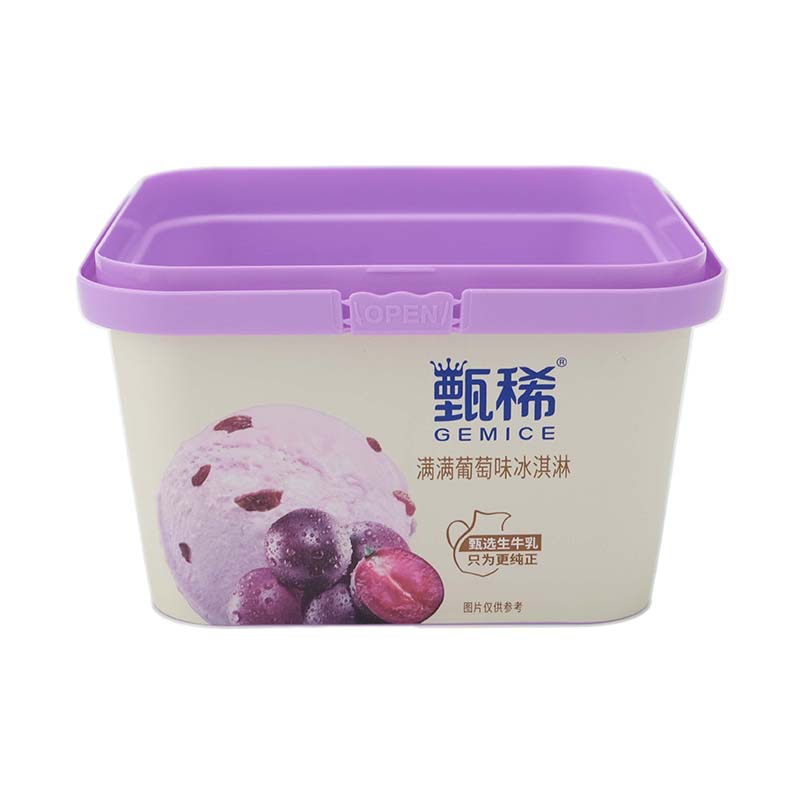
PP Plastic Square Bucket
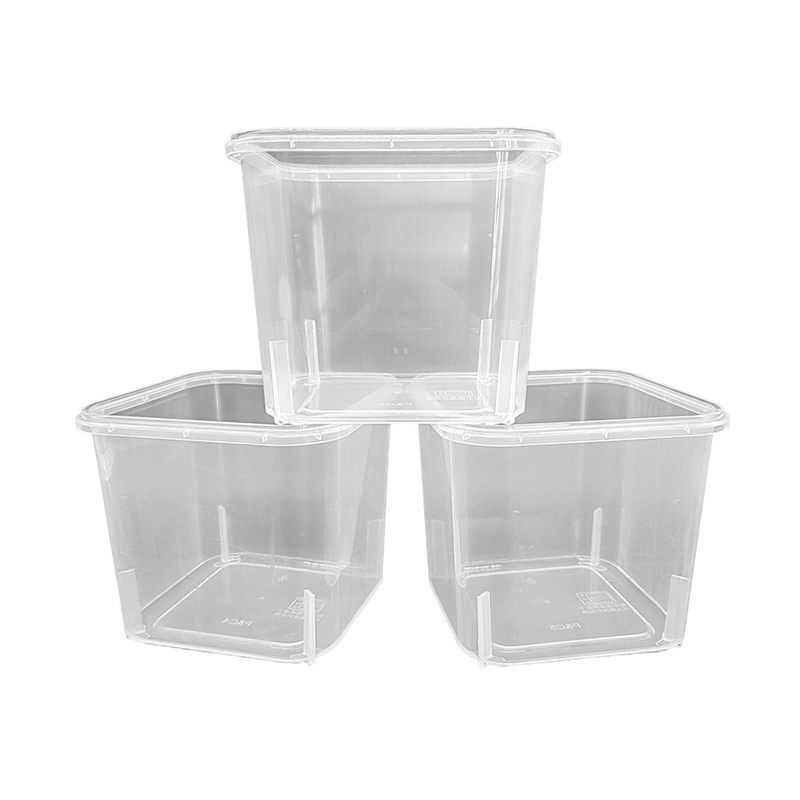
The PP Plastic Square Bucket is a professional-grade packaging solution designed for both industrial food processing and commercial storage. Constructed from high-density polypropylene, these PP Plastic Square Buckets with lids and handles offer a balance of structural integrity and lightweight convenience. Whether utilized for bulk ingredient storage or retail food packaging, Manatee ensures each container meets rigorous safety and durability standards.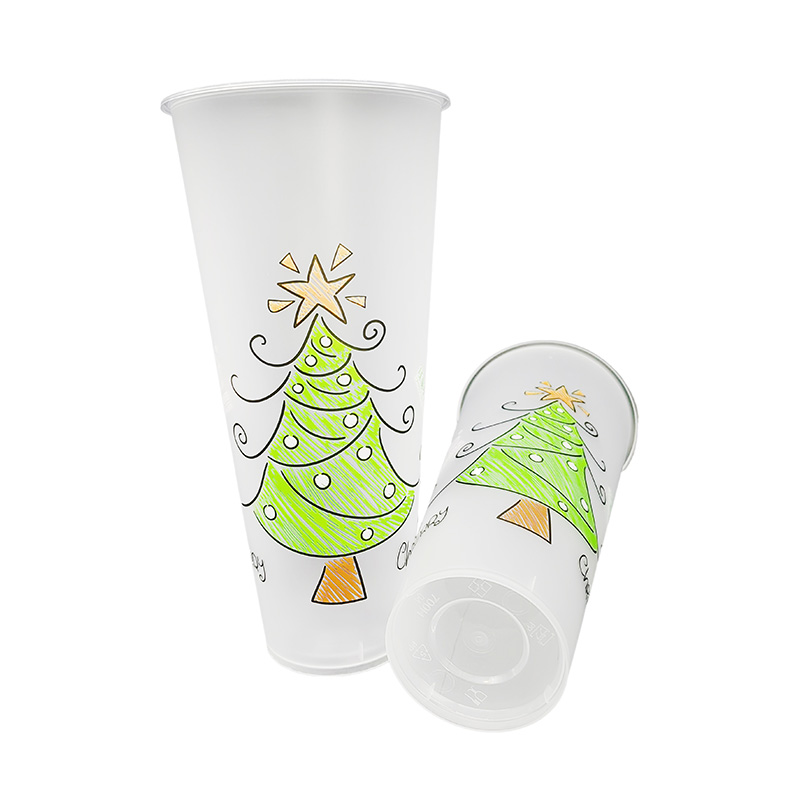
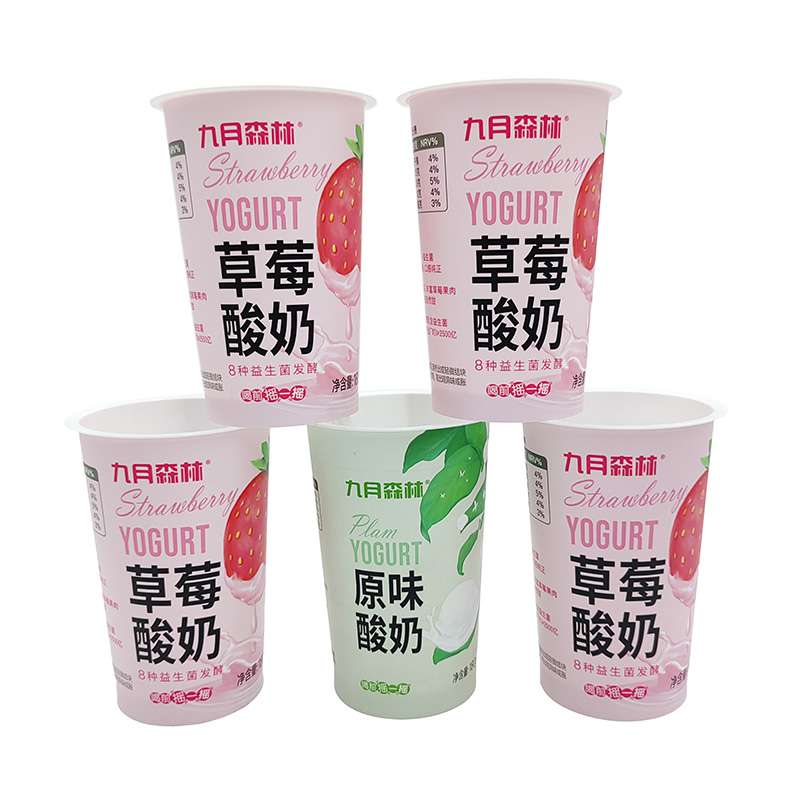
PP Plasitc Juice Cup In Mold Label
Made from durable PP material, these PP Plasitc Juice Cup In Mold Label offer a safe and dependable option for your beverage service. Designed with your health and safety as a top priority, they are suitable for holding a wide variety of drinks. Their robust construction ensures they are sturdy and serviceable, providing reliable performance and longevity for your dining needs.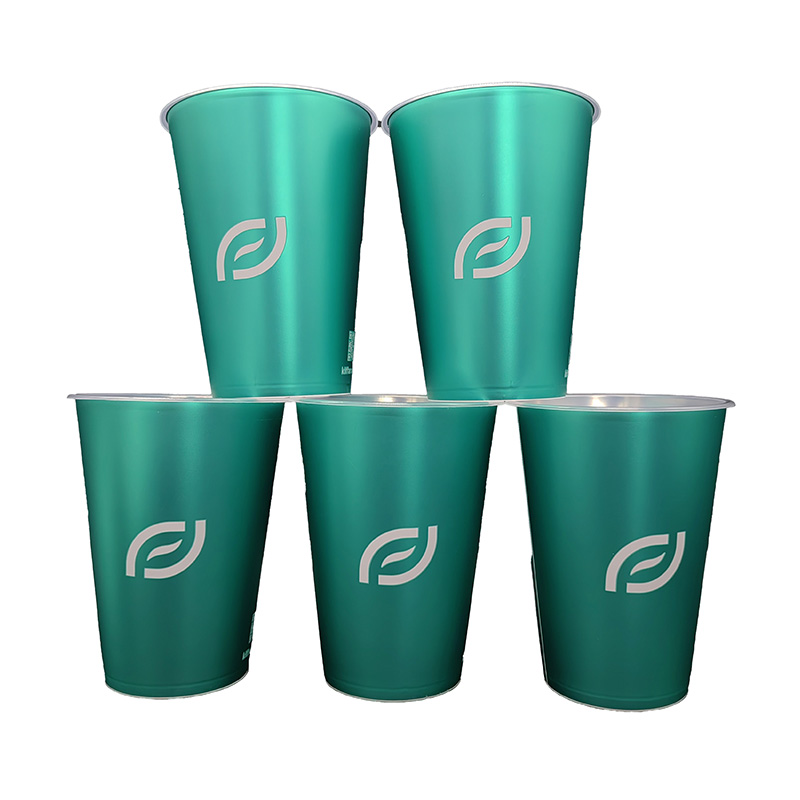
PP Plastic Injection Molding Cup
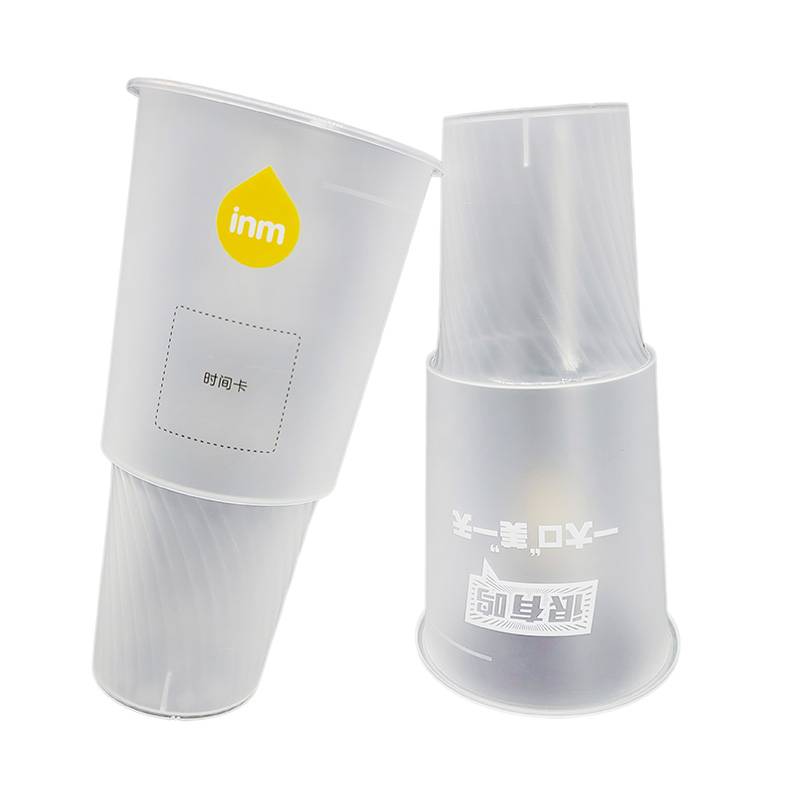
Made from robust, premium-grade PP plastic, these PP Plastic Injection Molding Cups are designed to daily life, including accidental drops and bumps. Bid farewell to the hassle of constantly replacing flimsy cups after just one use. Their sturdy construction effectively reduces the likelihood of leaks, ensuring reliability even when filled with thicker beverages such as smoothies or iced coffees.
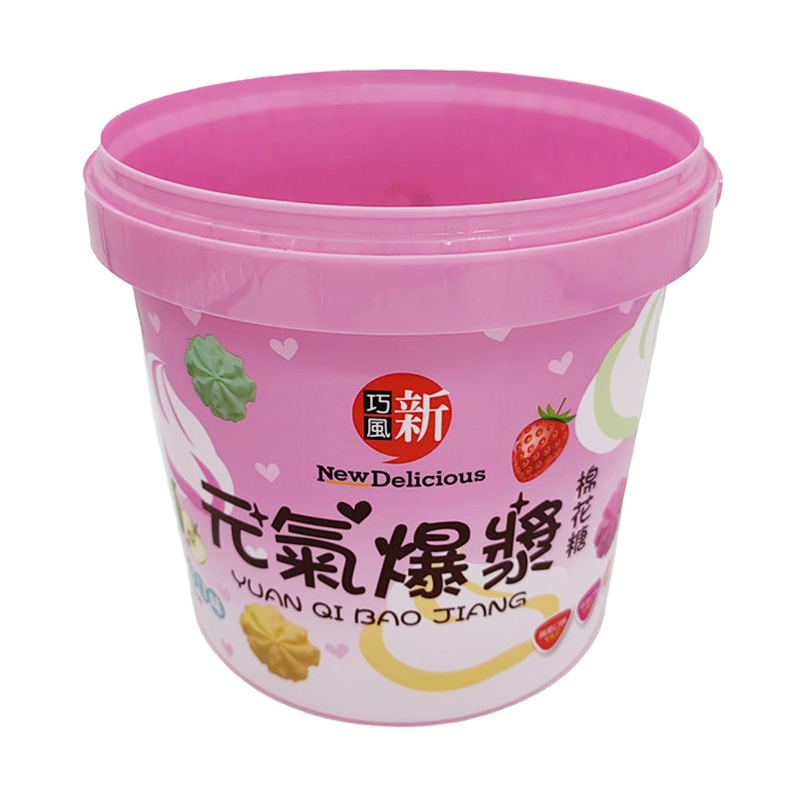
PP Plastic Square Pail In Mold Label
With food-grade certification and BPA-free materials, these pails ensure safe food contact and meet international safety standards. Manatee offers free design services, free samples, and full customization options for capacity, color, shape, and logo printing, empowering your brand with packaging that stands out.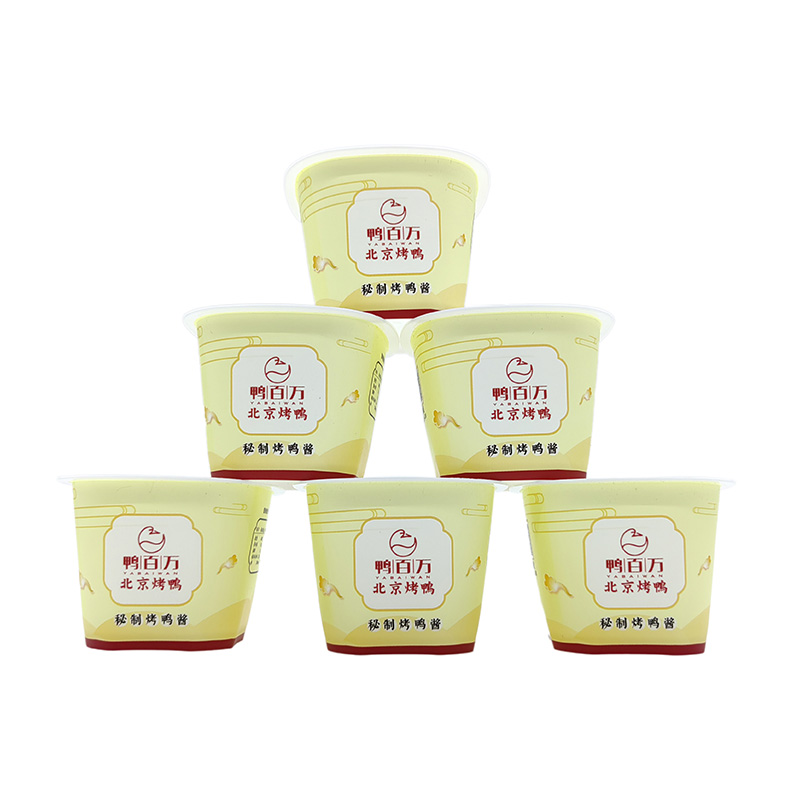
PP Plastic Bowl for Yogurt
PP Plastic Bowl for Yogurt feature specially designed patterns, creating a vibrant and inviting atmosphere. The eye-catching colors not only draw attention but also enhance the visual appeal of your desserts, making them look irresistibly delicious. These cups are sure to captivate your guests and whet their appetites, ensuring a memorable dining experience.
- Related Blog
- Reviews

Send Inquiry



X
We use cookies to offer you a better browsing experience, analyze site traffic and personalize content. By using this site, you agree to our use of cookies.
Privacy Policy