 English
 Español
  русский
  Français
  日本語
日本語  Deutsch
  tiếng Việt
  Italiano
  Nederlands
  简体中文
简体中文  ภาษาไทย
  Polski
  한국어
한국어  Svenska
  magyar
  Malay
Malay  Pilipino
  Türkçe
  العربية
  Indonesia

Polypropylene Disposable Yogurt Cup
When designing a disposable container for cultured dairy products, the choice of substrate directly influences both product quality and operational efficiency. Polypropylene has emerged as the material of choice for countless yogurt manufacturers due to its remarkable balance of strength, clarity, and thermal resistance. Our comprehensive line of yogurt cups leverages these material properties to deliver a container that meets the stringent requirements of cold chain logistics. In many busy commercial kitchens, the go-to option remains a well-constructed single-serve vessel like the PP Takeout Yogurt Plastic Cup, which eliminates the risk of unsightly cracking and maintains an aesthetically pleasing shelf presence. The cup’s high-gloss finish acts as a natural showcase for colorful toppings, while its rigid structure supports tamper-evident seals without bowing. From a storage perspective, these units nest compactly, reducing the volume of empty inventory and lowering freight costs per pallet. The material’s low moisture absorption rate also preserves the integrity of the cup when stored in humid environments, preventing softened edges that can disrupt automated dispensing. Furthermore, the broad edge design facilitates easy peeling of lid films, an important ergonomic consideration for customers with limited dexterity. This entire family of yogurt packaging has been refined through years of feedback from dairy processors, co-packing facilities, and retail chains that demand zero-defect shipments. Sustainable practices are increasingly important, and while these cups are lightweight, they are also fully recyclable in facilities that accept number 5 plastic. The manufacturing process minimizes scrap, with production trims being reground and reused internally for non-food-contact applications, supporting a circular economy mindset. Customers appreciate the balance of durability and ease of disposal these cups offer in dine-in settings where waste sorting systems are in place.
The Polypropylene Disposable Yogurt Cup is produced on advanced, high-speed thermoforming lines equipped with real-time vision inspection systems. This technology flags any container that deviates from our strict tolerance thresholds, guaranteeing that only perfectly formed cups reach the end user. Before polymerization, we select only food-grade resin that has passed migration testing for aqueous, acidic, and fatty food simulants. The resulting cup exhibits no interaction with live cultures in Greek yogurt, maintaining the probiotic count that health-conscious consumers expect. In addition to its chemical inertness, the cup handles sudden temperature changes without stress fractures—a critical feature for operations that fill cold product into containers straight from refrigerated storage and then immediately seal them. The smooth, non-porous surface repels bacteria and is easily sanitized for facilities that adopt reusability programs, though its primary design is for single-service applications. Our engineering team has paid special attention to the bottom knockout area, reinforcing it to withstand the pressure exerted during high-speed filling without bursting or separating from the sidewall. Available in clear or with a subtle blue tint, the cup also accepts corona treatment for high-adhesion printing, enabling vibrant graphics that can include QR codes, nutritional facts, and brand storytelling elements. Whether your product is a thin drinkable kefir or a thick skyr, this container’s geometry and material science combine to deliver a consistent, high-quality user experience every time. Beyond structural merits, these cups contribute to operational speed. Their dimensional consistency allows filling nozzles to plunge accurately, avoiding product waste due to misalignment. The stacking lugs are engineered to prevent vacuum locking, so separation force remains below 2 kgf, compatible with most denesting machines. For brands experimenting with seasonal flavors, small batch orders with custom embossing require only moderate tooling adjustments, thanks to the material’s thermoformability. This manufacturing flexibility makes it feasible to offer differentiated packaging for limited-time offers without excessive lead times or minimum order quantities.
Core Material and Design Advantages:- Constructed from 100% pure, non-recycled polypropylene to eliminate contamination risks
- Transparency rate exceeding 85% light transmission for optimal product visibility
- Wide mouth opening reduces inner surface tension, allowing thick yogurt to slide off packaging films
- Rim beading process creates a comfortable, non-sharp edge suitable for direct mouth contact
- Base integrated with anti-suction rings to prevent sticking to conveyor belts after filling
- Optional sidewall embossing available for brand differentiation and improved grip
- Extensive compatibility with 95mm and 98mm standard lid seals
- Embossed resin identification code (PP5) molded into the base for easy recycling sorting
- Tensile strength at yield: 35 MPa (ASTM D638)
- Elongation at break: 200%
- Notched Izod impact: 80 J/m at 23°C
- Heat deflection temperature (0.455 MPa): 110°C
- Vicat softening point: 152°C
- Coefficient of linear thermal expansion: 100 µm/m·°C
- Water absorption (24 h immersion): 0.01%
| Reference Code | Nominal Capacity | Outer Rim Diameter | Outer Base Diameter | Overall Height | Typical Wall Gauge | Pieces per Carton | Carton Dimensions (L x W x H) |
|---|---|---|---|---|---|---|---|
| DCY-120 | 120 ml | 78 mm | 52 mm | 40 mm | 0.40 mm | 1200 | 400x300x250 mm |
| DCY-180 | 180 ml | 85 mm | 60 mm | 48 mm | 0.45 mm | 1000 | 420x320x280 mm |
| DCY-250 | 250 ml | 95 mm | 70 mm | 55 mm | 0.50 mm | 800 | 500x350x300 mm |
| DCY-350 | 350 ml | 98 mm | 78 mm | 68 mm | 0.55 mm | 600 | 520x380x350 mm |
| DCY-500 | 500 ml | 115 mm | 88 mm | 82 mm | 0.60 mm | 400 | 600x450x400 mm |
Related Products

Hot Products
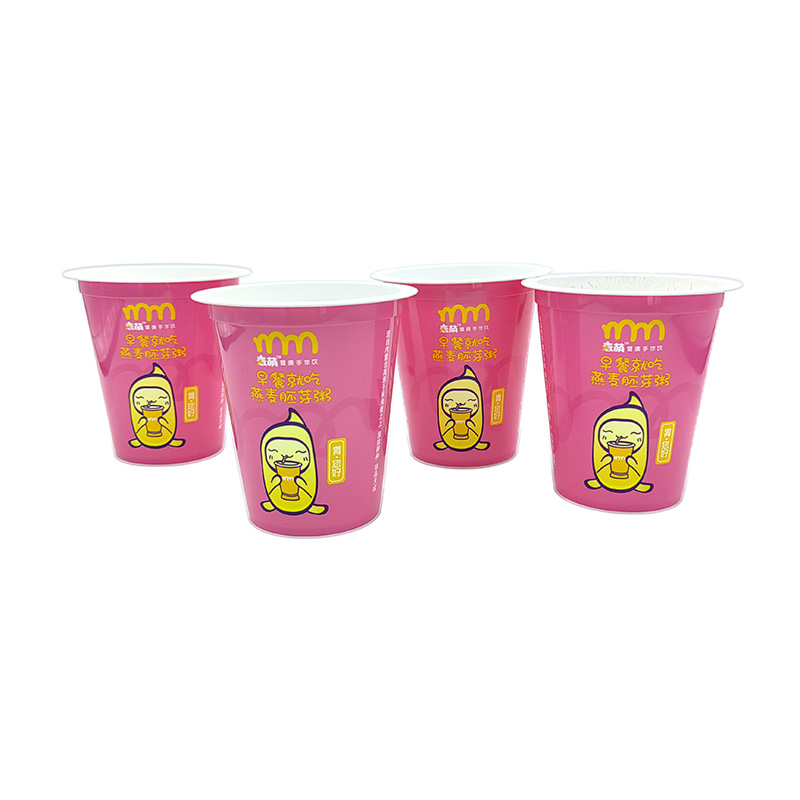
PP Plastic Yogurt Bowl
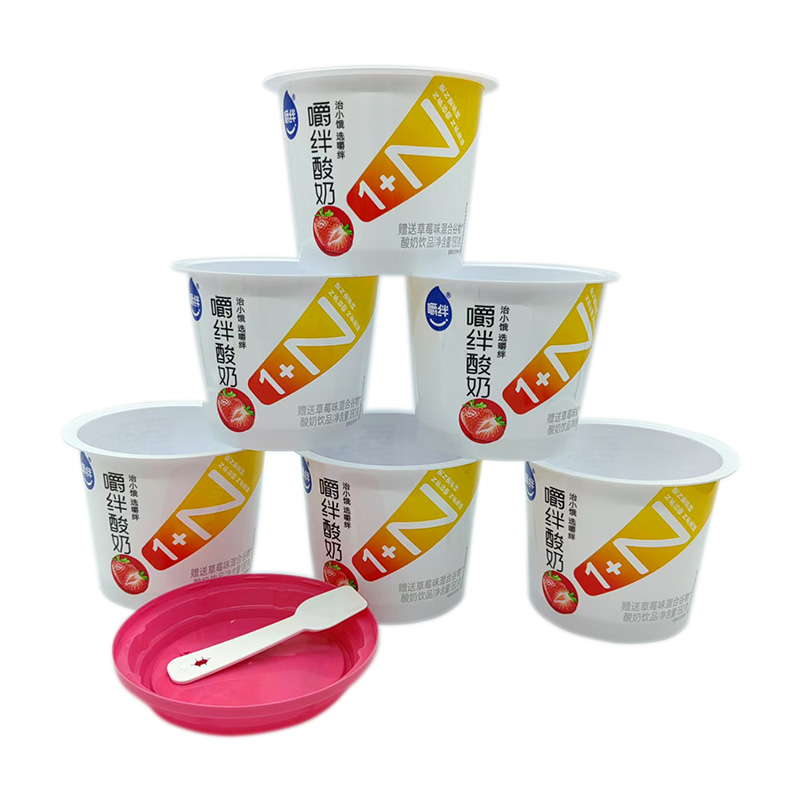
The PP Plastic Yogurt Bowl includes a fitted lid and spoon, making it suitable for immediate service or takeaway applications. Manatee's production facility utilizes high-speed injection molding equipment and in-mold labeling technology to manufacture these containers with consistent quality. Food-grade polypropylene material ensures the bowl meets safety requirements for direct food contact.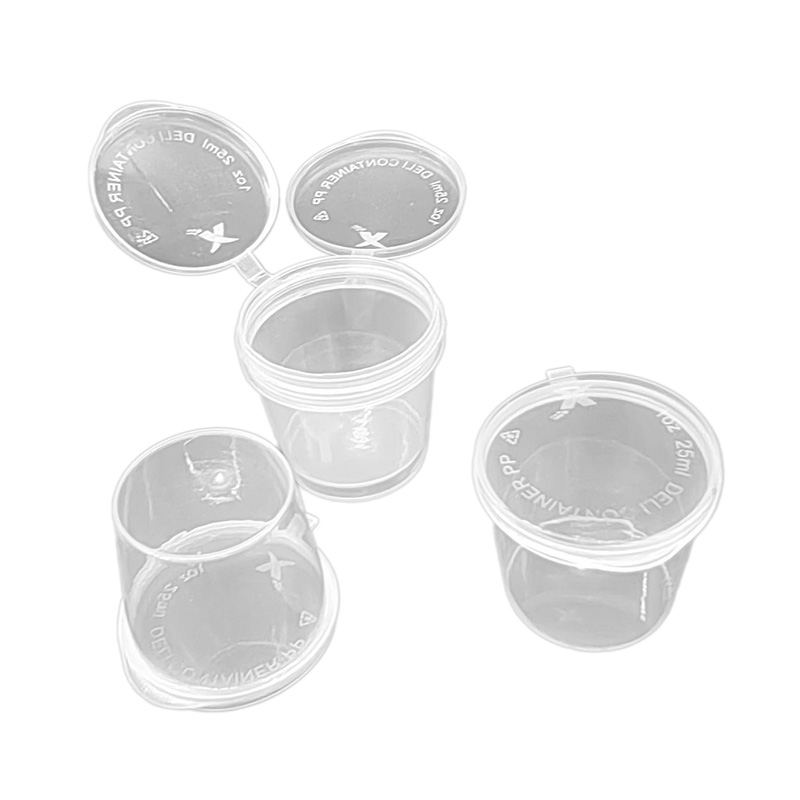
PP Plastic Hinged Sauce Cup
As an experienced B2B manufacturer, Manatee specialized in high-performance food packaging solutions. The PP Plastic Hinged Sauce Cup provides a secure, leak-proof containment system for commercial food services. This dynamic product detail page breaks down the technical specifications, structural material properties, quality control benchmarks, and deep customization services provided by Manatee Packaging to global wholesale distributors.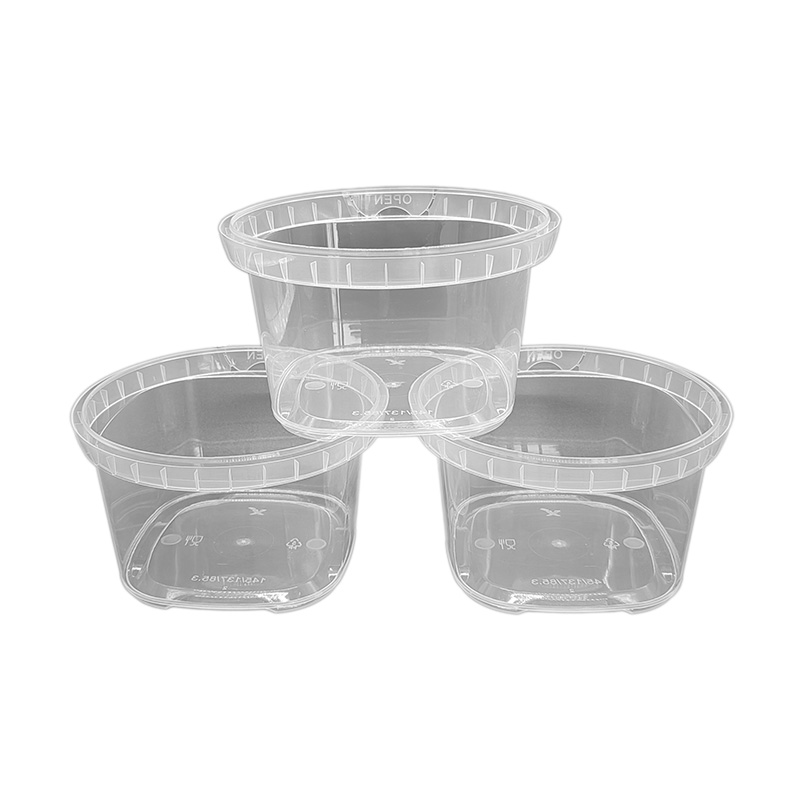
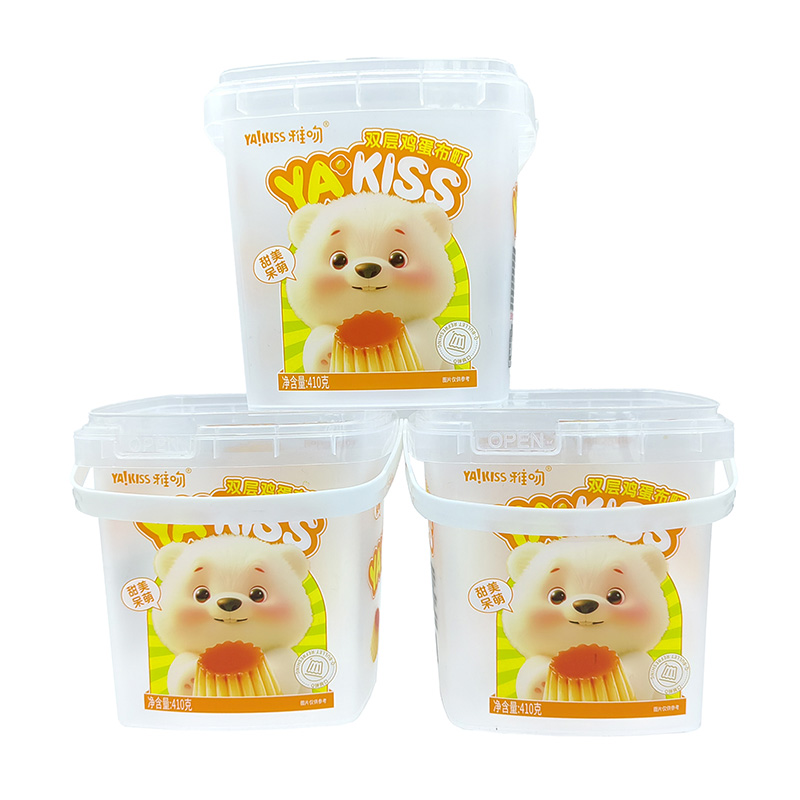
PP IML Plastic Square Yogurt Bucket
Manatee specializes in the manufacturing of durable rigid packaging solutions for the commercial food service sector. The PP IML Plastic Square Yogurt Bucket features advanced In-Mold Labeling (IML) technology, integrated handles, and secure sealing lids. Manufactured in ISO-certified facilities, these food-grade containers support custom branding.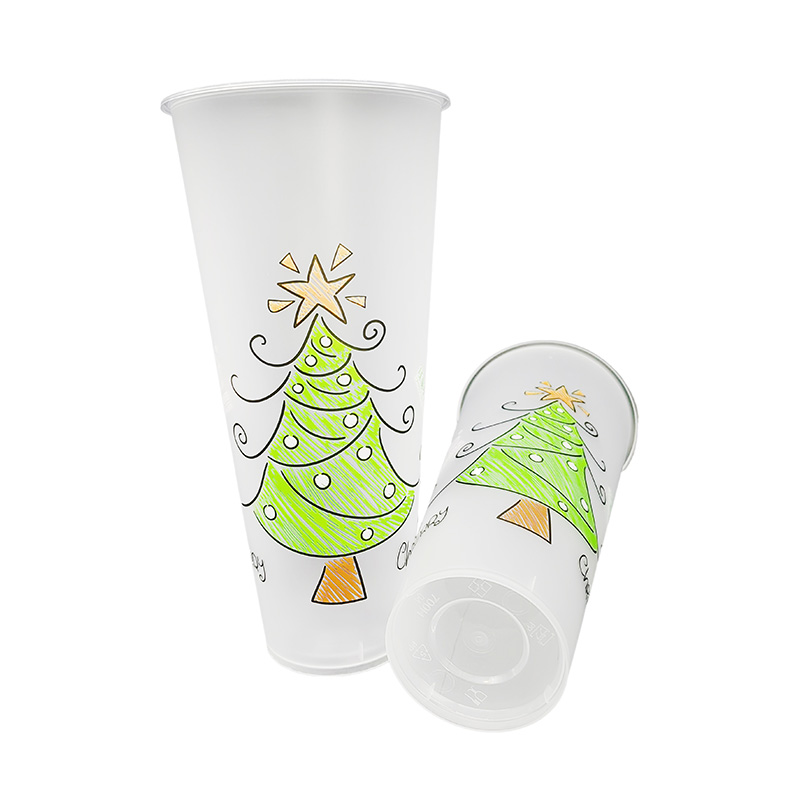
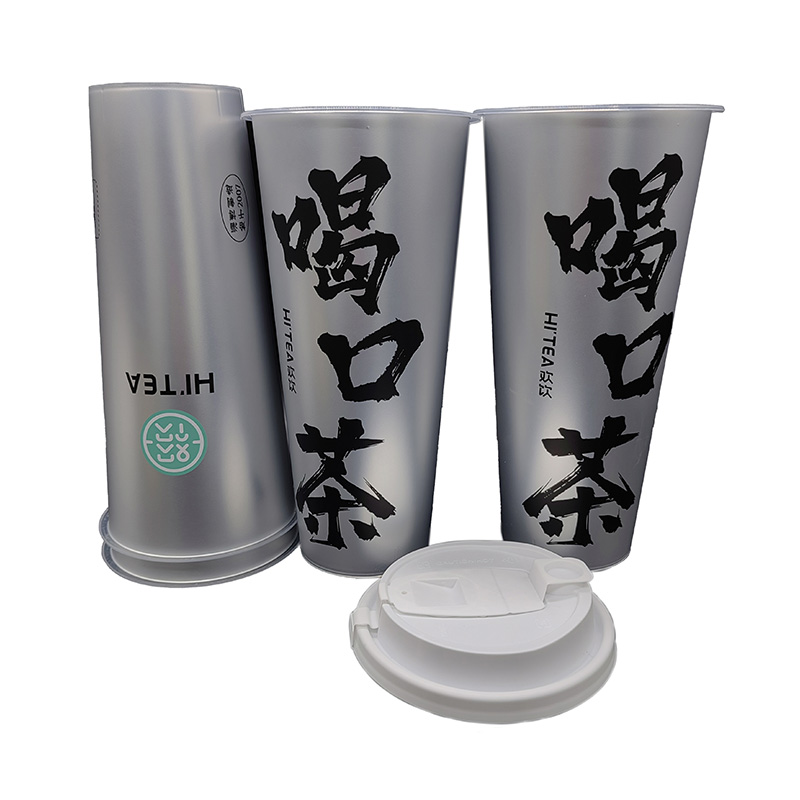
PP Plasitc Juice Cup In Mold Label
Made from durable PP material, these PP Plasitc Juice Cup In Mold Label offer a safe and dependable option for your beverage service. Designed with your health and safety as a top priority, they are suitable for holding a wide variety of drinks. Their robust construction ensures they are sturdy and serviceable, providing reliable performance and longevity for your dining needs.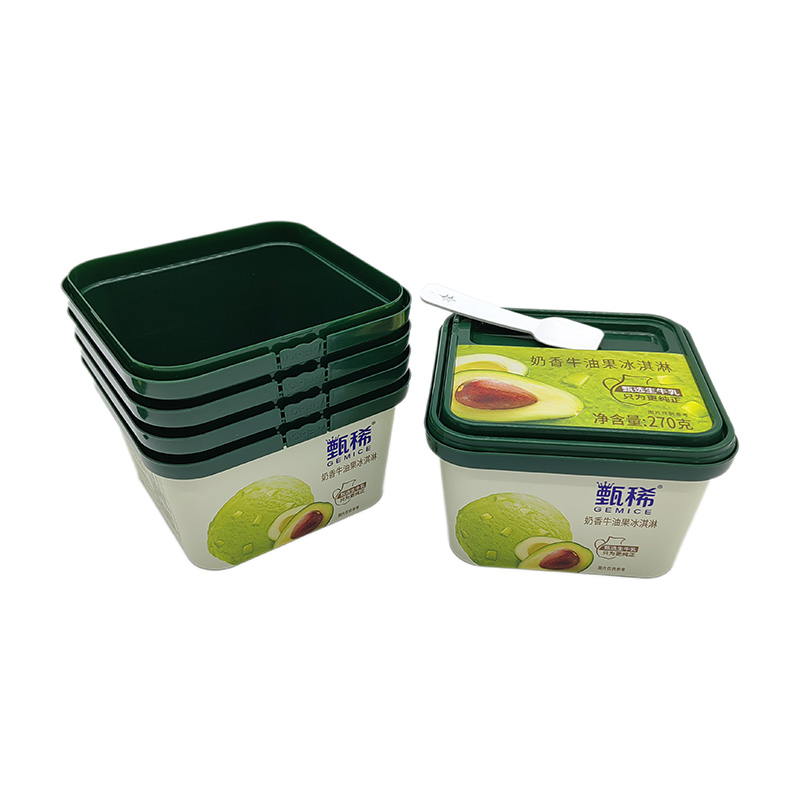
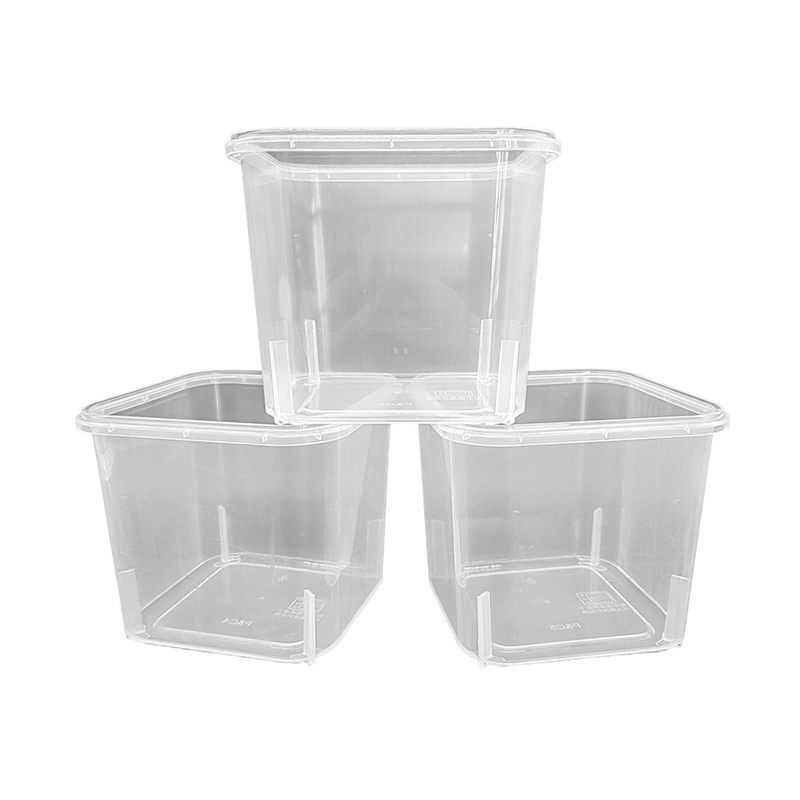
PP Plasitc Butter Container
Exquisite craftsmanship and high-quality materials combine to create this food bucket, which exudes simplicity while delivering exceptional functionality. Made from food-grade materials, this PP Plasitc Butter Container not only looks great but also ensures the safety and purity of your stored foods.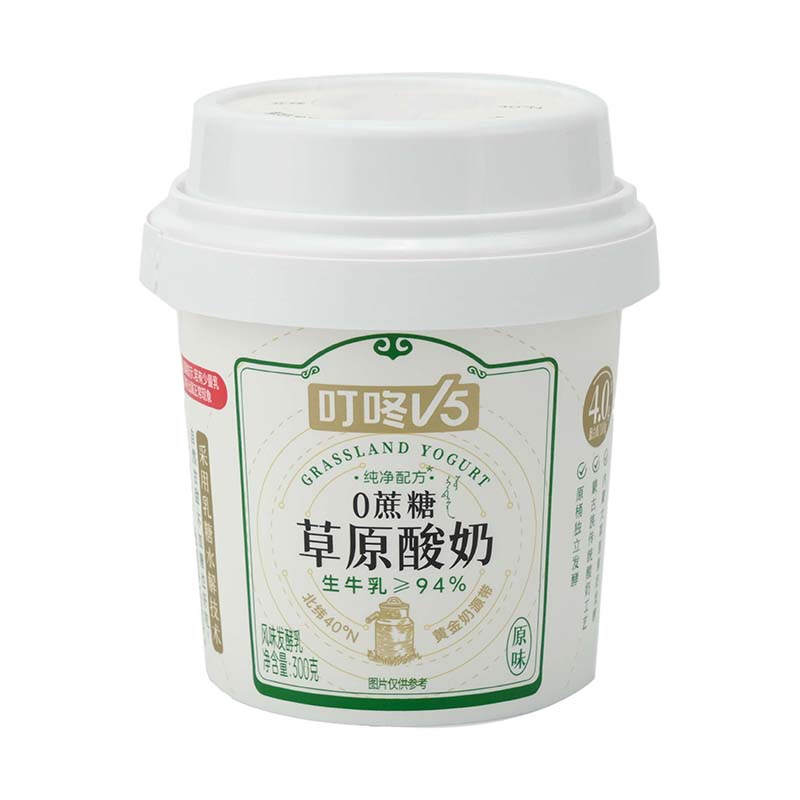
PP Injection Molding Yogurt Cup
Wide applicable occasion, suits for ice cream shops, food trucks, café, concession stands, bakeries, etc.The PP Injection Molding Yogurt Cups are conveniently packaged in bulk, simplifying storage and transportation processes, and enabling you to manage your inventory with maximum efficiency.
- Related Blog
- Reviews

Send Inquiry



X
We use cookies to offer you a better browsing experience, analyze site traffic and personalize content. By using this site, you agree to our use of cookies.
Privacy Policy